 By William Brooks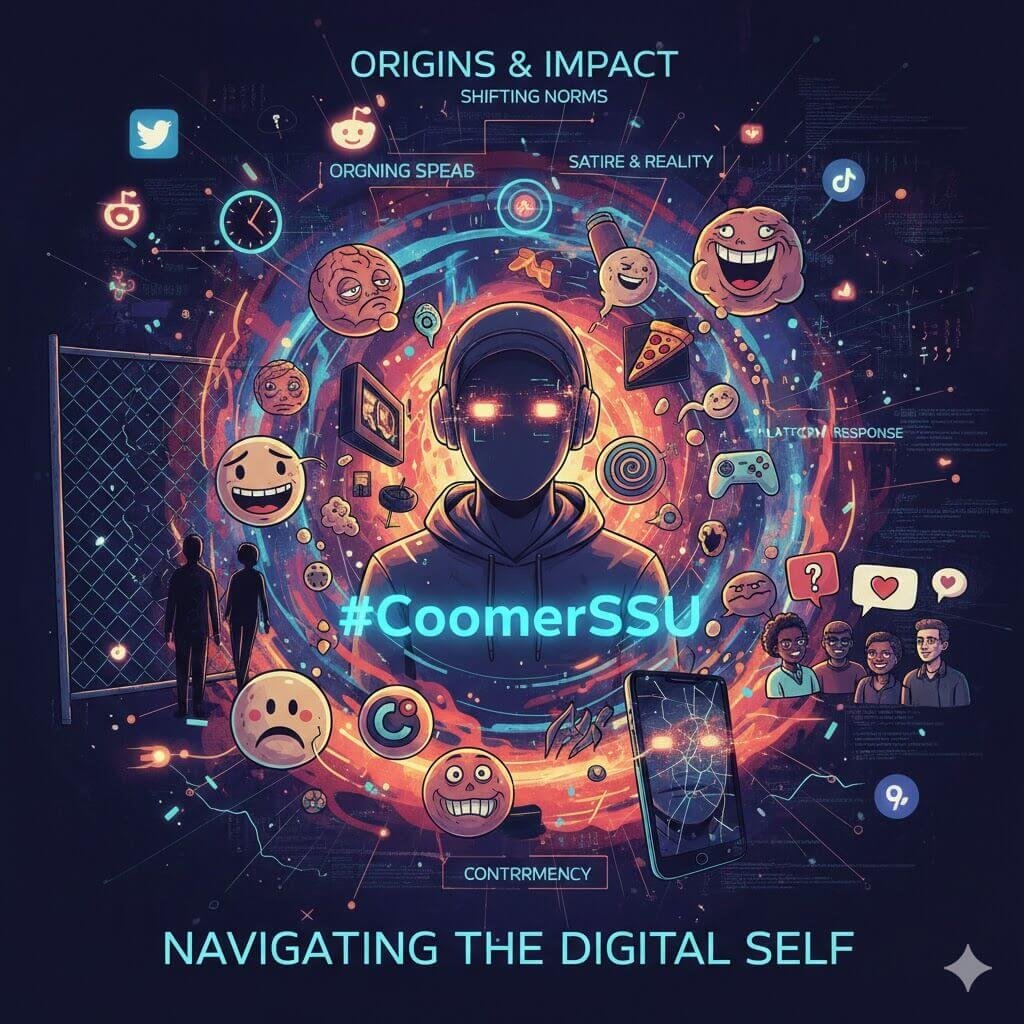
Coomer.ssu has emerged as a unique phenomenon in the vast landscape of online communities. But what exactly is it? Originating from internet culture, Coomer.ssu represents more than just a trend; it’s a symbol of how digital behavior can shape our social interactions. As we delve into this intriguing world, we’ll examine its origins and significance within various online platforms. Understanding Coomer.ssu isn’t just about deciphering memes or trends; it’s about grasping the shifts in collective behavior that redefine community dynamics today. Get ready to uncover what the rise of Coomer.ssu means for us.
The impact of Coomer.ssu on online communities
Coomer.ssu has quickly transformed the landscape of online communities. Its origins in meme culture have allowed it to resonate deeply with users across various platforms.
The term taps into shared experiences, creating a sense of belonging among individuals who identify as part of this subculture. This connection fosters engagement and encourages lively discussions centered around humor, identity, and societal observations.
As more people adopt Coomer.ssu language and themes, community dynamics shift. Traditional norms are challenged while new forms of expression emerge. The playful yet often critical lens through which followers view contemporary issues adds an intriguing layer to conversations.
Moreover, Coomer.ssu blurs the lines between satire and reality. Users frequently navigate serious topics using humor, making complex ideas accessible while inviting others to join in on the conversation without fear of judgment or misunderstanding.
How Coomer.ssu is influencing online behavior
Coomer.ssu has started to reshape how people interact online. It brings a new level of self-awareness and humor, allowing users to connect through shared experiences. Memes and posts reflect a culture that is evolving and increasingly embracing vulnerability.
This community often highlights the struggles around addiction and procrastination in a light-hearted manner. Participants find solace in knowing they’re not alone. Humor becomes a coping mechanism, serving as both commentary and relief.
As more people engage with Coomer.ssu content, behaviors shift. Online interactions become less about perfection and more focused on authenticity. Users are encouraged to share their stories without fear of judgment.
The influence extends beyond memes, prompting discussions about mental health, social pressures, and personal growth within digital spaces. This openness fosters deeper connections among users who might otherwise feel isolated or misunderstood amid societal expectations.
The controversy surrounding Coomer.ssu
Coomer.ssu has sparked a heated debate across various online platforms. Critics argue that the culture surrounding Coomer.ssu promotes unhealthy behaviors, particularly regarding addiction to adult content.
Some users believe it trivializes serious issues like mental health and personal relationships. They worry about its potential normalization of excessive consumption of explicit material.
On the other hand, supporters claim it’s simply a form of self-expression and humor. They see it as a coping mechanism in an increasingly digital world filled with stressors.
The controversy often extends beyond discussions on forums. It spills into traditional media, where articles dissect its ramifications on society at large. This ongoing discourse reflects deeper societal concerns about technology’s impact on human connections and well-being.
The role of social media in the spread of Coomer.ssu culture
Social media has played a pivotal role in the rapid spread of Coomer.ssu culture. Platforms like Twitter, Reddit, and TikTok have become breeding grounds for memes and discussions surrounding this phenomenon.
The viral nature of content on these platforms allows ideas to gain traction quickly. Users share their experiences, often amplifying the Coomer.ssu narrative with humor and relatability. This creates an inclusive atmosphere that encourages participation.
Moreover, algorithms promote popular posts related to Coomer.ssu, exposing even more individuals to this subculture. As users engage with this content, it generates a feedback loop that fuels ongoing conversations.
Influencers also contribute significantly by adopting or critiquing aspects of the Coomer.ssu identity. Their reach can sway opinions and further integrate these themes into broader online interactions.
This interconnectedness fosters community bonds while making the culture accessible to new audiences across various demographics.
How online platforms are responding to Coomer.ssu
Online platforms are grappling with the rise of Coomer.ssu culture. Many social media sites have started implementing stricter guidelines. They aim to regulate content that falls under this umbrella.
Some platforms are enhancing their moderation tools. Algorithms now flag posts related to Coomer.ssu more effectively. This proactive approach seeks to curb excessive sharing and promote healthier online interactions.
Community-driven initiatives have sprung up as well. Users rally together to discuss the implications of Coomer.ssu on mental health and relationships. These discussions foster awareness, creating a space for support and understanding.
Additionally, some influencers are stepping in, using their reach to educate followers about potential pitfalls associated with Coomer.ssu behavior. Their messages emphasize finding balance in digital consumption rather than indulging excessively.
As the conversation continues, it’s clear that online platforms will need adaptive strategies moving forward.
The potential consequences of Coomer.ssu for society
The rise of Coomer.ssu brings with it a set of potential consequences that society cannot ignore. This culture has the power to reshape online interactions and personal relationships.
As members engage more deeply within this community, there’s a risk of increased isolation from physical social circles. Virtual connections may replace genuine human interaction.
Moreover, the normalization of certain behaviors associated with Coomer.ssu can lead to unrealistic expectations regarding intimacy and sexuality. This shift might distort perceptions among younger audiences, impacting their understanding of healthy relationships.
Mental health issues could also surface as individuals grapple with compulsive behaviors linked to this phenomenon. The addictive nature of digital content consumption raises concerns about self-esteem and satisfaction in real-world experiences.
Societal norms around privacy and consent are increasingly challenged as boundaries blur between online personas and reality. These changes prompt questions about accountability within digital spaces.
Conclusion
Coomer.ssu has become a significant player in the landscape of online communities.
Its emergence has sparked discussions about identity, behavior, and values among users. The memes and narratives surrounding Coomer culture reflect deeper societal issues.
As these influences permeate various platforms, it’s clear that this phenomenon won’t fade quietly into the background. Instead, it challenges norms and invites new dialogues about mental health and digital interactions.
The cultural shift brought by Coomer.ssu is just beginning to unfold. It raises questions about responsibility within online spaces. Users must navigate their identities amidst evolving trends.
Monitoring this dynamic environment will be essential for understanding broader implications on society at large. This movement might reshape not only how individuals connect but also how they perceive themselves in an increasingly digital world.