 By William Brooks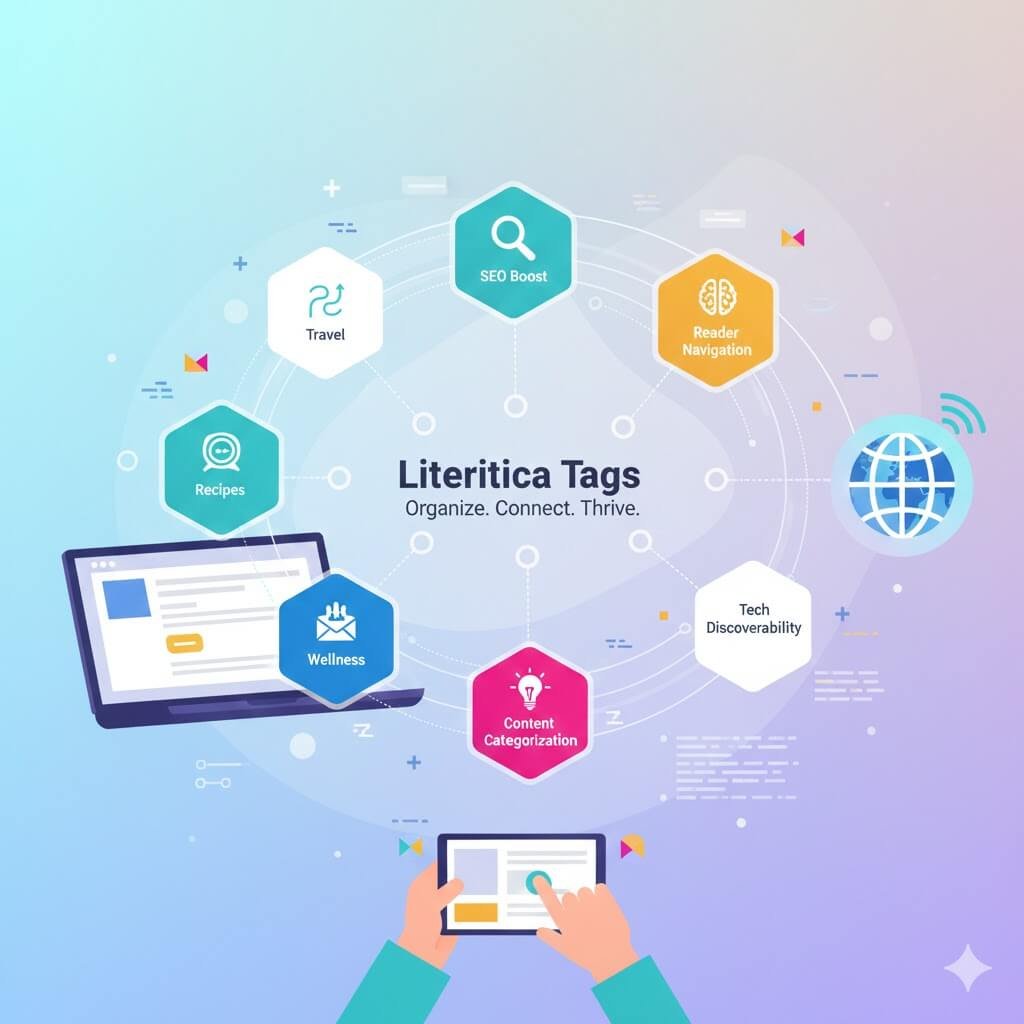
Welcome to the world of Literitica Tags, where organization meets creativity! If you’re a blogger looking to streamline your posts and make them more accessible to readers, you’ve landed in the right place. Imagine having a powerful system that helps categorize your content efficiently while enhancing user experience. That’s exactly what Literitica Tags can do for you.
In a sea of information, tags act as beacons guiding readers through your blog’s maze. They not only help organize topics but also improve SEO, making it easier for potential followers to find what they’re searching for. Whether you’re just starting or have been blogging for years, understanding how to leverage Literitica Tags is essential.
Ready to dive into this game-changing tool? Let’s explore how Literitica Tags can transform your blogging experience and keep everything neatly arranged!
What are Literitica Tags?
Literitica Tags are a dynamic way to categorize and label your blog content. Think of them as keywords that help define the essence of each post. By assigning specific tags, you create a roadmap for readers to navigate through related topics easily.
These tags serve multiple purposes. They enhance user experience by allowing visitors to find relevant articles quickly. When used wisely, Literitica Tags can also boost your SEO rankings, making it easier for search engines to index your posts.
Imagine writing about travel tips or cooking recipes; with appropriate Literitica Tags like “travel,” “adventure,” or “cooking hacks,” readers will effortlessly discover all your associated content in one go. This not only keeps things organized but also encourages deeper engagement on your blog.
Why are it important for organizing blog posts?
Literitica Tags play a vital role in organizing blog posts. They serve as a powerful tool for categorizing content, making it easier for readers to find what they’re looking for. When your posts are tagged effectively, users can navigate through related topics with ease.
These tags enhance user experience by creating a structured environment on your site. Readers appreciate the ability to explore similar articles without navigating away from their current interest.
Moreover, Literitica Tags contribute significantly to SEO efforts. Search engines use them to understand the context of your content better. The right tags can improve visibility in search results and attract more organic traffic.
Using Literitica Tags is not just about organization; it’s also about connecting with your audience. Thoughtfully chosen tags reflect reader intent and help establish authority within specific niches. This connection fosters loyalty and encourages repeat visits.
How to properly use Literitica Tags
To properly use Literitica Tags, start by selecting relevant keywords that encapsulate your blog post’s core themes. Think about what potential readers might search for.
Limit the number of tags to avoid overwhelming visitors. A handful of well-chosen tags can increase discoverability while maintaining clarity.
Utilize a consistent tagging format across all posts. This helps create a cohesive experience for your audience and makes navigation easier.
Consider using both broad and specific tags. General tags attract wider audiences, while niche ones cater to more targeted interests.
Regularly review and update your tag list based on changing trends or new content categories you may introduce. This keeps your blog fresh and aligned with reader expectations.
Don’t forget to analyze how different tags perform over time; this insight will help refine your strategy further.
Best practices for creating and using Literitica Tags
Creating effective Literitica Tags starts with clarity. Choose descriptive, relevant terms that reflect your content accurately. This helps readers find what they’re interested in without confusion.
Limit the number of tags for each post to maintain focus. Too many tags can overwhelm visitors and dilute their effectiveness. Aim for three to five well-chosen tags per article.
Consistency is key when applying Literitica Tags across your blog. Use a standardized format, whether it’s lowercase letters or hyphens between words, to create a cohesive look and feel.
Regularly review and update your tag library as your blog evolves. New topics may emerge over time, so don’t hesitate to introduce fresh tags while retiring those that no longer serve a purpose.
Monitor how users interact with these tags through analytics tools. This insight allows you to refine your tagging strategy based on real reader behavior.
Examples of successful blogs using it
Many successful blogs leverage Literitica Tags to enhance their content organization and improve user experience. One notable example is a travel blog that uses tags such as “adventure,” “budget travel,” and “foodie destinations.” This approach allows readers to find posts based on specific interests easily.
Another example comes from a lifestyle blog where tags like “wellness,” “home decor,” and “parenting hacks” help categorize diverse topics. Each tag creates a pathway for the audience, ensuring they engage with related articles seamlessly.
A tech blog also showcases effective use of Literitica Tags by organizing content into categories like “gadgets,” “software reviews,” and “industry news.” This strategy not only aids in navigation but also boosts SEO performance by linking associated articles together.
These examples illustrate how employing Literitica Tags can significantly elevate both user engagement and site structure across various niches.
Common mistakes to avoid when using Literitica Tags
One common mistake bloggers make is over-tagging their posts. Using too many, it can overwhelm readers and dilute the focus of your content. Stick to a few relevant tags that truly represent the essence of your article.
Another pitfall is using vague or generic tags. Tags like “blog” or “writing” don’t provide much insight into what your post covers. Instead, opt for specific terms that capture the unique angle of your piece.
Inconsistency in tagging is also an issue. If you switch between variations of a tag, like “traveling” one day and “travel” another, you create confusion for both search engines and readers alike.
Neglecting to update tags as your blog evolves can hinder discoverability. Regularly review and refine your Literitica Tags to keep them aligned with current trends and topics within your niche.
Conclusion
Using it can transform your blogging experience. They offer a clear path to navigate through your content.
When implemented correctly, tags enhance user engagement and improve SEO performance. Readers appreciate well-organized posts that make finding relevant information easy.
Experiment with different tag combinations. This approach helps you discover what resonates most with your audience.
Stay updated on best practices as the digital landscape evolves. What works today might shift tomorrow, so adaptability is key.
Remember, the goal is to create an intuitive experience for readers while boosting visibility in search engines. Engage authentically and watch your blog thrive as you harness the power of Literitica Tags effectively.