 By William Brooks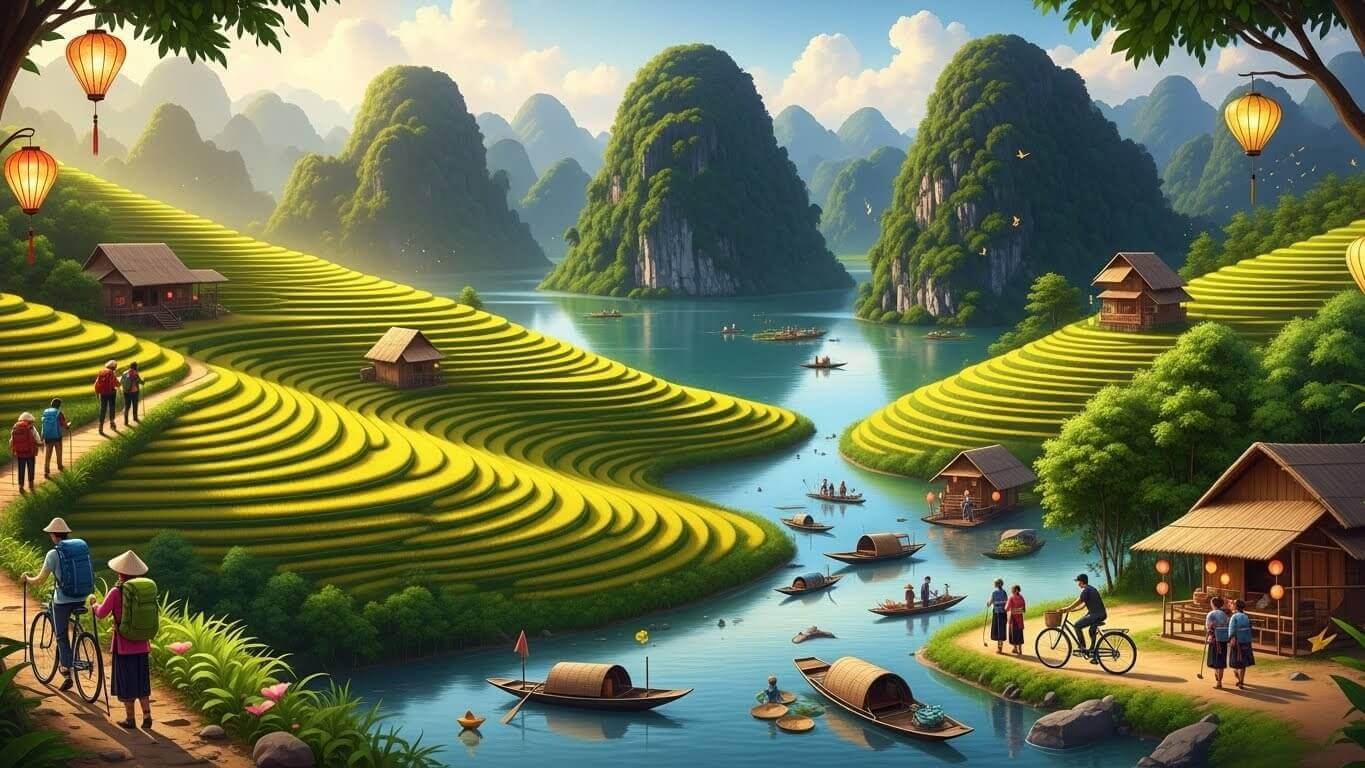
Vietnam has emerged as one of Southeast Asia’s most captivating destinations, offering travelers a remarkable blend of ancient traditions, breathtaking landscapes, and vibrant cultural experiences. Among the many ways to explore this enchanting country, travel threetrees vn has become a popular choice for adventurers seeking authentic and meaningful connections with Vietnam’s natural beauty and local communities. This comprehensive guide will walk you through everything you need to know about planning your Vietnamese adventure through this unique approach to sustainable and immersive tourism.
Understanding the Concept Behind Sustainable Vietnamese Tourism
The philosophy of responsible exploration centers on creating meaningful experiences while preserving the natural environment and supporting local communities. This approach to discovering Vietnam goes beyond typical tourist attractions, focusing instead on authentic interactions, ecological conservation, and cultural preservation. Travelers who embrace this methodology often find themselves immersed in experiences that traditional tour packages simply cannot provide.
Vietnam’s diverse geography spans from the misty mountains of Sapa in the north to the lush Mekong Delta in the south. Each region offers distinct landscapes, cuisines, and cultural traditions waiting to be discovered by mindful travelers. The emphasis on sustainability ensures that future generations can enjoy these same pristine environments and rich cultural heritage.
Exploring Vietnam’s Most Pristine Destinations
Vietnam boasts an incredible array of natural wonders that remain relatively untouched by mass tourism. The country’s commitment to environmental conservation has resulted in numerous protected areas, national parks, and biosphere reserves that showcase the nation’s ecological diversity.
| Region | Key Attractions | Best Time to Visit | Unique Features |
|---|---|---|---|
| Northern Highlands | Terraced rice fields, ethnic villages | September – November | Mountain trekking, cultural immersion |
| Central Coast | Pristine beaches, ancient towns | February – May | Historical sites, coastal beauty |
| Central Highlands | Coffee plantations, waterfalls | November – March | Adventure activities, cool climate |
| Mekong Delta | Floating markets, river networks | December – April | Waterway exploration, local life |
Northern Vietnam Adventures
The northern region captivates visitors with its dramatic karst formations, emerald rice terraces, and vibrant hill tribe cultures. Ha Giang Loop stands out as one of Asia’s most spectacular motorcycle journeys, winding through mountain passes and remote villages where time seems to have stood still. The landscape transforms dramatically with each season, from the bright green of newly planted rice paddies to the golden hues of harvest time.
Ba Be National Park offers another dimension of northern beauty, featuring Vietnam’s largest natural lake surrounded by limestone mountains and primary forests. Kayaking through tranquil waters, hiking to hidden waterfalls, and staying with Tay ethnic minority families provide unforgettable experiences that connect travelers with nature and local traditions.
Central Vietnam’s Coastal Treasures
Vietnam’s central coast stretches for hundreds of kilometers, offering everything from secluded coves to expansive sandy beaches. Beyond the well-known destinations, numerous hidden beaches remain largely undiscovered by international tourists. These coastal areas provide excellent opportunities for snorkeling, diving, and simply relaxing in paradise-like settings.
The region also hosts several UNESCO World Heritage Sites, including the ancient town of Hoi An and the imperial city of Hue. These historical locations offer glimpses into Vietnam’s rich past while maintaining their authentic charm through careful preservation efforts.
Planning Your Vietnamese Journey with Environmental Consciousness
Responsible trip planning involves several key considerations that enhance both your experience and your positive impact on the destinations you visit. Understanding seasonal patterns, local customs, and sustainable practices helps create a more rewarding journey for everyone involved.
Seasonal Considerations and Weather Patterns
Vietnam’s climate varies significantly across its length, making timing crucial for optimal experiences. The country experiences distinct wet and dry seasons, though these patterns differ between regions. Northern areas have four seasons, with cool winters and hot summers, while southern regions maintain tropical conditions year-round.
| Month | Northern Vietnam | Central Vietnam | Southern Vietnam |
|---|---|---|---|
| January – February | Cool and dry | Mild temperatures | Warm and dry |
| March – May | Warming up | Hot and dry | Hot season begins |
| June – August | Hot and rainy | Very hot | Rainy season |
| September – November | Pleasant weather | Typhoon season | Occasional rain |
| December | Cool and foggy | Cool and wet | Dry season starts |
Sustainable Accommodation Options
Choosing where to stay significantly impacts local communities and environments. Eco-lodges, homestays, and community-based tourism initiatives provide authentic experiences while directly benefiting local families. These accommodations often incorporate traditional architectural elements, use renewable energy sources, and employ local staff, creating a more immersive cultural exchange.
Many sustainable properties participate in environmental programs such as waste reduction, water conservation, and reforestation projects. By supporting these establishments, travelers contribute to ongoing conservation efforts while enjoying comfortable and unique lodging experiences.
Immersive Cultural Experiences Throughout Vietnam
Vietnamese culture reflects thousands of years of history, influenced by Chinese, French, and indigenous traditions. Engaging respectfully with local communities opens doors to extraordinary experiences that go far beyond surface-level tourism.
Culinary Adventures and Food Culture
Vietnamese cuisine ranks among the world’s most diverse and flavorful, with each region offering distinctive dishes and cooking techniques. Street food culture thrives in cities and towns across the country, where vendors have perfected their specialties over generations. Learning to prepare traditional dishes through cooking classes provides insight into Vietnamese daily life and culinary philosophy.
Markets serve as the heart of Vietnamese communities, where locals gather to shop, socialize, and share meals. Early morning visits to these vibrant spaces reveal the freshest ingredients and offer opportunities to observe authentic local interactions. Many cooking courses begin with market tours, teaching participants to select quality ingredients and understand their uses in Vietnamese cuisine.
Traditional Crafts and Artisan Communities
Vietnam maintains rich traditions of handicraft production, from silk weaving and ceramic making to lacquerware and bamboo craftsmanship. Visiting artisan villages allows travelers to witness these ancient techniques firsthand and support craftspeople who keep these traditions alive. Many villages welcome visitors to participate in workshops, creating personal souvenirs while learning valuable skills.
The preservation of traditional crafts faces challenges from modernization and mass production. By purchasing directly from artisans and learning about their work, travelers help sustain these cultural practices for future generations.
Practical Tips for Responsible Vietnamese Exploration
Successfully navigating Vietnam while maintaining sustainable practices requires preparation and cultural awareness. These practical considerations help ensure smooth, respectful, and environmentally conscious travel experiences.
Transportation and Getting Around
Vietnam offers various transportation options, each with different environmental impacts and cultural immersion levels. Trains provide scenic journeys between major cities while producing lower emissions than flights. Overnight sleeper trains serve as both transportation and accommodation, maximizing efficiency and minimizing costs.
Bicycles and electric scooters offer eco-friendly ways to explore cities and countryside at a leisurely pace. Many destinations have developed extensive cycling infrastructure, making two-wheeled exploration safe and enjoyable. For longer distances, booking direct routes and traveling during off-peak times reduces environmental impact while often providing better prices.
Cultural Etiquette and Respectful Behavior
Understanding and respecting local customs enhances interactions and demonstrates cultural appreciation. Vietnamese people generally display warmth and hospitality toward visitors who show genuine interest in their culture and traditions. Learning basic Vietnamese phrases, removing shoes before entering homes and temples, and dressing modestly at religious sites show respect for local customs.
Photography requires particular sensitivity, especially when visiting ethnic minority villages or religious sites. Always ask permission before photographing people, and respect any requests to refrain from taking pictures. Some sacred locations prohibit photography entirely, and these restrictions should always be honored.
Minimizing Environmental Impact
Travelers can significantly reduce their environmental footprint through conscious choices throughout their journey. Carrying reusable water bottles, shopping bags, and utensils eliminates single-use plastic waste. Many accommodations now provide water refill stations, and restaurants increasingly welcome customers who bring their own containers.
Participating in beach cleanups, supporting conservation projects, and choosing tour operators with environmental certifications demonstrates commitment to protecting Vietnam’s natural resources. These actions, though seemingly small, collectively make substantial differences in preserving destinations for future visitors.
Hidden Destinations Off the Beaten Path
While popular destinations certainly merit visits, Vietnam’s lesser-known locations often provide the most memorable and authentic experiences. These hidden gems offer opportunities to explore without crowds while supporting communities that rely less on mainstream tourism.
The Phong Nha-Ke Bang National Park system contains some of the world’s most spectacular cave systems, many only recently discovered and opened to visitors. Beyond the famous Son Doong Cave, numerous lesser-known caves offer adventurous exploration opportunities without extensive waiting lists or high costs.
Pu Luong Nature Reserve provides an accessible alternative to overcrowded Sapa, featuring similar terraced landscapes, ethnic minority villages, and excellent trekking opportunities. The region remains largely agricultural, allowing visitors to observe traditional farming practices and participate in seasonal activities.
| Hidden Destination | Region | Main Activities | Difficulty Level |
|---|---|---|---|
| Bac Son Valley | North | Photography, trekking | Easy to moderate |
| Cuc Phuong National Park | North | Wildlife viewing, hiking | Easy |
| Quy Nhon | Central Coast | Beach relaxation, diving | Easy |
| Cat Tien National Park | South | Jungle trekking, wildlife | Moderate |
Building Connections with Local Communities
The most enriching travel experiences often emerge from genuine interactions with local people. Community-based tourism initiatives throughout Vietnam create opportunities for cultural exchange while ensuring tourism benefits reach local families directly.
Homestay programs allow travelers to live with Vietnamese families, sharing meals, daily activities, and conversations that provide authentic insights into local life. These experiences break down cultural barriers and create lasting friendships that transcend typical tourist-local relationships.
Volunteering opportunities, when approached responsibly, offer ways to give back to communities while gaining deeper understanding of local challenges and solutions. Educational projects, environmental conservation efforts, and community development initiatives welcome skilled volunteers who commit to meaningful periods of engagement.
FAQs
Q: What is Travel Threetrees VN?
A: A sustainable travel approach that connects visitors with Vietnam’s nature and local communities.
Q: Why choose sustainable tourism in Vietnam?
A: It preserves culture, protects the environment, and supports local families.
Q: What are the best regions to explore sustainably?
A: Northern Highlands, Central Coast, Central Highlands, and the Mekong Delta.
Q: How can travelers minimize environmental impact?
A: Use reusable items, support eco-lodges, and choose low-emission transport.
Q: What cultural experiences can travelers expect?
A: Homestays, cooking classes, artisan workshops, markets, and village visits.
Conclusion: Embracing Meaningful Vietnamese Travel
Vietnam offers extraordinary opportunities for travelers seeking authentic, sustainable, and transformative experiences. By choosing responsible tourism practices, respecting local cultures, and prioritizing environmental conservation, visitors contribute to preserving Vietnam’s natural beauty and cultural heritage while creating meaningful personal memories.
The approach embodied by travel threetrees vn emphasizes mindful exploration that benefits both travelers and host communities. This philosophy recognizes that the most valuable souvenirs are not material objects but rather the connections made, lessons learned, and positive impacts created along the journey.
As Vietnam continues developing its tourism infrastructure, the choices travelers make today shape the country’s future. By supporting sustainable initiatives, engaging respectfully with local communities, and treading lightly on the environment, we ensure that Vietnam’s treasures remain available for generations to come. Your Vietnamese adventure awaits – embark on it with consciousness, curiosity, and commitment to leaving positive footprints wherever your journey leads.